A multigenerational safari is one of the most complex trips a family can organize. You are coordinating different fitness levels, different sleep needs, different tolerance for early mornings, and genuinely different ideas about what makes a good day outside, all within the same itinerary. Grandparents in their 70s, parents in their 40s, and children somewhere between deeply curious and intermittently bored depending on the hour.
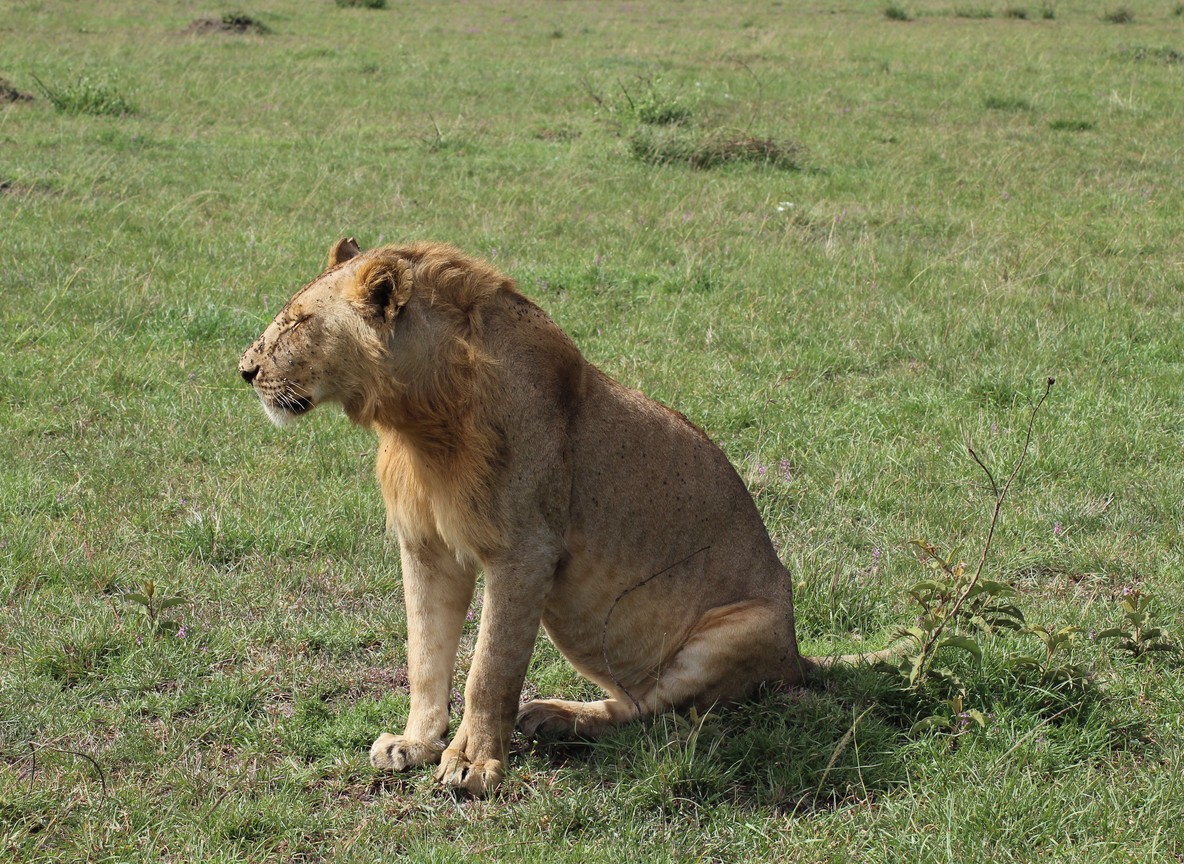
It is also one of the most memorable. There is something that happens on safari that does not happen in any other travel context: a shared encounter with wild animals at close range, in a landscape that is clearly not designed around human comfort. When a grandmother sees a herd of elephants at 30 metres for the first time and reaches for her grandchild’s arm, that is not a moment available in a theme park or a city museum. Kenya makes it possible, and with the right planning, it makes it accessible for all three generations simultaneously.
This guide covers the parks that work for different mobility levels, how to build a daily schedule that does not drain anyone, what to look for when choosing a camp, and which activities translate across all ages.
Why Kenya Works Better Than Most Safari Destinations for Multigenerational Groups
Some East African safari destinations are genuinely difficult for older travelers or young children. Remote tented camps requiring river crossings, helicopter-access lodges, multi-day walking itineraries, rough unpaved roads for hours at a stretch: these are excellent experiences for the right traveler and deeply unsuitable for a 72-year-old with a hip replacement.
Kenya’s top safari parks are unusually accessible by comparison:
- Good roads connect Nairobi to Amboseli, Lake Nakuru, and the main Mara park gates
- Fixed lodges and tented camps with en-suite bathrooms and proper beds are available at every budget level
- Internal flights eliminate the longest road sections: the Nairobi-to-Mara flight is 45 minutes, versus 5 hours by road
- Nairobi Hospital is within 90 minutes by air from most park areas, a level of medical proximity that is rare in East Africa
- Activity intensity is variable: game drives are passive and seated, while add-ons like bush walks, cultural visits, and balloon flights can be offered selectively to willing participants
A well-designed Kenya safari can genuinely accommodate a 72-year-old with limited mobility, two parents, and children aged 8 and 14 within the same itinerary. It requires careful planning and the right camp choices, but it is not a compromise experience for any member of the group.
The Best Kenya Parks for Three-Generation Safaris
Amboseli National Park: The Most Accessible Starting Point
Amboseli is the most multigenerational-friendly park in Kenya by a considerable margin.
The terrain inside the park is flat and open, with well-maintained tracks. There are no steep sections, no river crossings, and no extended rough-road driving. The key wildlife zones, the swamp, the dry lake edge, and the elephant corridors, are all within 20 to 30 minutes’ drive from any camp.
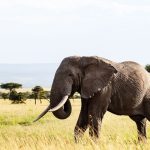
Amboseli has one of Africa’s highest elephant-to-area ratios. Encounters are reliable and frequent throughout the day. For a grandparent who cannot sustain a long day of driving or who tires in the heat, Amboseli delivers meaningful wildlife viewing in relatively short outings.
The Kilimanjaro backdrop matters too. On clear mornings, the mountain rises above the flat plains in a way that provides an immediate, dramatic visual reward even before any wildlife is spotted. Grandparents and children both respond to it strongly.
Most Amboseli camps have solid-surface pathways between accommodation, dining areas, and vehicles. Several specifically cater to guests with limited mobility.
Lake Nakuru National Park: Short Days with High Wildlife Returns
Nakuru is a fenced national park, which means predator encounters happen safely from the vehicle and the perimeter is clearly bounded. The park is compact enough that a half-day drive covers most of it. For a grandparent worried about stamina, Nakuru delivers significant wildlife in two hours.
The flamingo gatherings on the lake, while no longer the vast pink carpet visible 20 years ago, still provide a visually striking scene that children respond to immediately. White rhino sightings are among the most reliable in Kenya. A rhino at roadside range is a genuine highlight for children on any East Africa trip.
Nakuru works well as a 2-night stop within a longer circuit rather than the main destination. The drive from Nairobi takes about 2 hours, making it accessible without a domestic flight.
Masai Mara Conservancy Camps: Best for Fit Older Travelers
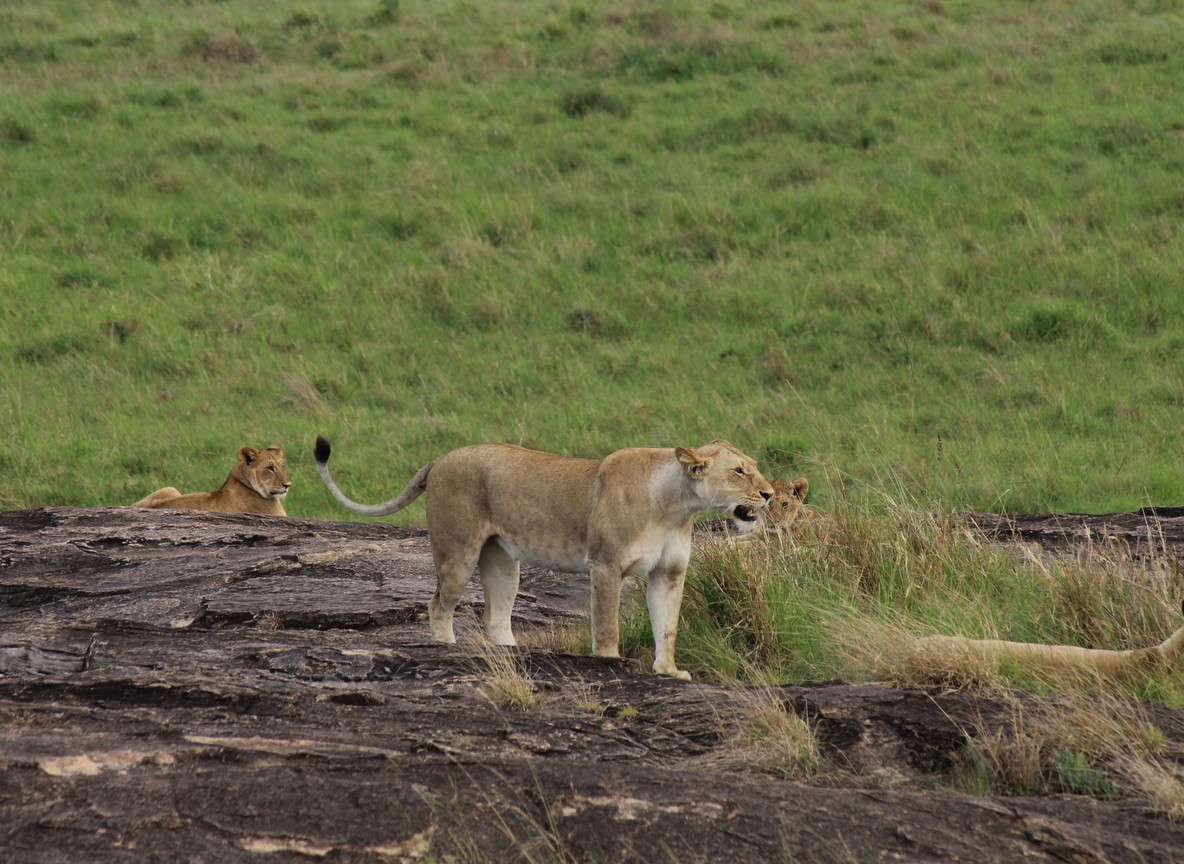
The Mara is more demanding than Amboseli. Game drives run longer, terrain is more variable, and early starts are non-negotiable for the best predator viewing. But the quality of wildlife encounters and the intimacy of the smaller conservancy camps make it worth the additional logistics for grandparents who are fit and mobile.
The conservancy camps on the northern and western edges of the Mara ecosystem, including Olare Motorogi, Naboisho, and Mara North, limit total visitor numbers to a fraction of what the main reserve allows. The result is quiet, unhurried wildlife viewing without columns of vehicles at each sighting.
Look for conservancy camps that offer:
- Maximum 12 tents or rooms
- Short walking distances between tent and dining area
- A bush breakfast option as an alternative to a full morning drive
- Family configurations with connecting tents or adjacent rooms
For a detailed look at how the Mara conservancy system works and which camps suit different group types, see the Masai Mara conservancy guide at touringinsights.com.
Tsavo East: For Active Groups with Older Children
Tsavo East suits families where the grandparents are genuinely fit and the youngest children are 10 or older. Roads inside the park are graded gravel and manageable in a good 4WD, but distances between key areas are long. The sense of scale in Tsavo is part of its appeal: it is one of Kenya’s largest parks and feels it. Some children find that scale thrilling; others find it quieter than expected after the wildlife density of Amboseli or the Mara.
Pacing a Three-Generation Safari: A Structure That Works
The most common planning mistake for multigenerational safaris is trying to fit too many activities into each day. The instinct to extract maximum value from every hour works directly against the recovery needs of both elderly travelers and young children.
A daily structure that consistently works across all ages:
Morning drive: 5:45am to 9:30am. Wildlife is most active in the early morning, the light is best for photography, and temperatures are manageable. Older travelers who tend toward early rising usually find this the most natural part of the day. Children who are slow to start can be rewarded with a bush breakfast at the end of the drive.
Midday rest: 9:30am to 3pm. Return to camp, shower, breakfast, rest. The midday heat in most Kenya parks sits at 30 to 35 degrees and wildlife retreats into shade during this window. Forcing activity before 3pm produces tired travelers and poor wildlife viewing simultaneously.
Afternoon drive: 3pm to 6:30pm. Cooler air, better light, active predators. Children typically handle this drive more comfortably than the early morning one, particularly if they have actually rested at midday. The sunset return provides a reliable visual close to the day.
Evening: dinner at 7:30pm, most participants asleep by 9:30 to 10pm. This suits a safari rhythm exactly and gives everyone sufficient rest for the next morning start.
What to Look for in Camp Selection
Standard luxury ratings are less useful than specific criteria when choosing camps for a three-generation group:
| Factor | Why it matters for all ages |
|---|---|
| En-suite bathrooms in every tent | Older adults and young children need private, accessible facilities |
| Flat path between tent and dining area | Uneven ground causes real problems for arthritic joints and small legs |
| Family tent configuration | Connecting or adjacent rooms allow supervision of children while adults sleep |
| Dietary flexibility | Three generations eat differently; good camps handle this without making it a production |
| Medical kit and emergency protocols | Ask about oxygen, first aid, and evacuation procedures before booking |
| Children’s program or junior ranger option | Structured engagement for 8-to-12-year-olds during the midday rest hours |
| Vehicle step height and boarding ease | Older travelers and small children both struggle with high-step vehicle access; request a step stool |
Activities That Work Across All Three Generations
Game drives. Universal and inclusive. Even the least mobile grandparent participates fully from a vehicle seat.
Cultural visits to Maasai communities. A guided boma visit covering community structure, beadwork, and traditional medicine typically engages grandparents and children with equal intensity, through completely different points of interest. The generational conversation that follows is an unexpected bonus.
Hot air balloon safari over the Masai Mara. Genuinely accessible for all ages. You board from ground level, the basket provides support throughout the flight, and the hour-long journey over the Mara at dawn is consistently described as one of the best experiences in Kenya. Confirm with the balloon operator that no age or mobility restrictions apply to your specific group member before booking.
Storytelling evenings. Several camps in Laikipia and the Mara ecosystem offer evening sessions with Maasai elders or experienced guides. For multigenerational groups, these are worth requesting specifically. They create shared narrative experiences that photographs alone cannot capture.
Activities to skip for limited-mobility travelers: Long bush walks, canoe safaris, and rock scrambles. These can be offered to willing members of the group while others choose a camp-based activity or a shorter alternative.
Practical Planning Notes for Three-Generation Groups
A few points that save headaches later:
Flight connections matter more than usual. Internal Kenya flights are the single biggest quality-of-life upgrade for older travelers and young children. The 45-minute Nairobi-to-Mara flight eliminates a 5-hour road journey that is genuinely tiring for anyone and particularly hard on older joints and young patience.
Build mobility information into your camp inquiry from the start. Tell camps specifically who is in your group, including any walking aids, joint issues, or balance concerns. Good camps adapt in advance rather than on arrival day.
Allow one more rest day than you think you need. A 7-night itinerary covering three locations works better structured as 3-2-2 nights than as 2-2-3. Transit days have a cumulative effect that is harder on older travelers and children than a planning spreadsheet suggests.
Medical preparations are straightforward. Yellow fever vaccination is required for travelers arriving from endemic countries. Antimalarial medication is recommended for most Kenya safari areas. Consult a travel health clinic at least 6 weeks before departure to allow time for any required vaccinations.
Pack for temperature variation. Mornings at altitude in the Mara can sit at 12 to 15 degrees. Midday in Amboseli can reach 35. Three generations with different heat tolerance need flexible layering options.
A Note on Choosing Parks and Duration
A common multigenerational itinerary that works well is Amboseli for 3 nights as the opening destination, Nakuru for 2 nights as a mid-circuit stop, and a Mara conservancy for 3 nights as the final block. Total: 8 nights. This structure gives the most accessible park first while everyone is still adjusting, a compact mid-circuit park that delivers high yields in short time, and the Mara as the experiential peak after the group has found its rhythm.
Adding a domestic flight for at least the Nairobi-to-Amboseli or Nairobi-to-Mara leg is strongly worth the cost for any group that includes travelers over 65.
What to Read Next
For a full guide to Kenya’s parks and how to choose between them based on wildlife priorities and group type, see the Kenya safari planning guide at touringinsights.com.
For specific information on Mara conservancy camps and which ones suit families and mixed-age groups, the Masai Mara conservancy guide covers the options in detail.
Three generations, one trip, one set of memories that will come up at family dinners for years. The key is not finding the perfect park: it is building a daily structure that no one finds too demanding and giving the landscape enough time to do the work.
Turn this reading into a real itinerary with help from a Kenya-based safari team.
Start Planning Your SafariFurther reading
More safari planning resources
- Map of Amboseli from Valley Safaris
- Family safari collection on FindMySafari
- Amboseli destination guide on FindMySafari
- Nairobi to Maasai Mara route guide from Valley Safaris
Related guides: Meshanani Gate vs Kimana Gate: Which Amboseli Entry Works for Your Trip?.